
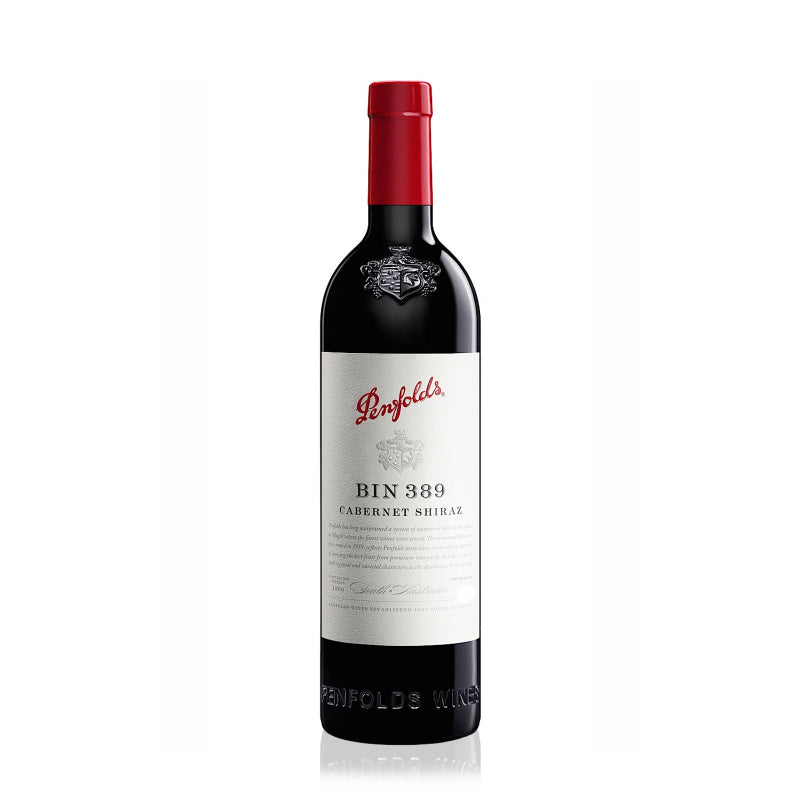
Penfolds Bin 389 Cabernet Shiraz 2023 750ml


Penfolds Bin 389 Cabernet Shiraz 2023 is one of Australia's most iconic red blends, expertly combining the structure of Cabernet Sauvignon (51%) with the richness of Shiraz (49%). Affectionately known as "Baby Grange", this legendary wine is matured for 12 months in American oak hogsheads, including barrels previously used for Grange, creating exceptional depth and complexity. Sourced from premium vineyards across McLaren Vale, Barossa Valley, Coonawarra, Padthaway, and Wrattonbully, it reveals vibrant layers of blackberry, blackcurrant, plum, red berries, cocoa, spice, cedar, vanilla, and savoury herbs. Full-bodied and impeccably balanced, with silky tannins and a long, refined finish, Bin 389 offers outstanding cellaring potential while already delivering remarkable elegance and power. An exceptional match for premium beef, roast lamb, game, and aged cheeses.
James Suckling | JS 96
Published: Jul 16, 2025
This wine has been made every vintage since 1960. Refined, generous and polished aromas of blackberries, blackcurrants, cured meat, crushed stones and iodine. The palate is full-bodied with a rounded, textural palate and ultra-refined tannins that lead to a silky, savory, black-fruited finish. 51% cabernet sauvignon and 49% shiraz. Excellent. Drink or hold.
Decanter | D 96
Published: Jun 24, 2025
Drink: 2025-2050
Referred to as ‘Baby Grange’ as components of the wine are always matured in the same American oak hogsheads that held the previous vintage of Grange, Bin 389 (first made in 1960) is always a Cabernet-dominant Cab-Shiraz – the great Australian blend. This year it just makes it, with 51%, the fruit for both varieties coming from McLaren Vale (45%), Padthaway and Barossa Valley. The 12 months in oak (33% new) adds a creamy coconut sheen to the generous mouthful of summer pudding berries, fleshy blue plums and more savoury tones of fennel salami, mocha and cigar box spice. Fine tannins, bright acidity and a firm structure deliver power and polish, already approachable but with a long life, and more complexity, ahead. A standout this vintage.
The Wine Advocate | RP 95
Published: Jul 24, 2025
Drink: 2025-2043
The 2023 Bin 389 Cabernet Shiraz is inky, complete, powerful and structured, with black berries, sweet licorice, star anise and fennel. There are also notes of roasted meat juices and cedar wood. The expression of this wine is very attractive—the prism of the cooler season works well in this wine. The fruit is sourced from McLaren Vale, Padthaway and Barossa Valley, matured for 12 months in American oak hogsheads, 33% new.
Penfolds.com
Bin 389 was often referred to as ‘Baby Grange’, in part because components of the wine are matured in the same barrels that held the previous vintage of Grange. First made in 1960 by the legendary Max Schubert, this was the wine that helped forge Penfolds reputation with red wine drinkers by combining the structure of Cabernet Sauvignon with the richness of Shiraz. Exemplifying the judicious balance of fruit and oak, Bin 389 highlights the generous mid-palate Penfolds is known for.
Colour: Glossy, dark red/purple
Nose: An "old school" Penfolds nose; a classic and comforting homage to our storied past. It opens with the rich, deep tones of mahogany and the refined scent of a cigar box. Sweet oak spices are neatly interlaced with a dusty character. This foundation is lifted by summer berries, offering a balance between richness and vitality. Baking spice is present alongside tart red currant and cranberry, while the aroma of fresh pastries rounds out the note.
Palate: The palate is immediately enveloped by cocoa powder-like tannins — smooth yet profound in their impact. The wine boasts volumes of Cabernet character, showcasing cool fruits that are well lifted and vibrant. A barrel ferment nuance adds depth without overshadowing the fruit's purity. Sourdough notes bring a rustic edge which complement the lush profiles of plum fruits, blackberry, mulberry, wild cherries and more distinctly tart morello cherries.
Vintage Conditions
In McLaren Vale, temperatures rarely soared above 35°C – significantly lower than in the previous vintage. This coolness contributed to a delayed but unhurried harvest, allowing Shiraz and Cabernet Sauvignon fruit to be picked at an ideal time for quality. Coonawarra experienced its own cold spells with nine days dipping below 2°C during spring. The lowest point was recorded early in September at -0.3°C. Frost fans played a critical role in protecting the vines from damage. Warmer weather returning late November to December provided perfect conditions for flowering and fruit-set, leading to uniform veraison with robust grape flavours, tannins, and colour. The Barossa Valley told a story of resilience under cool conditions with spring storms bringing winds and heavy rains including hail; nevertheless, yields exceeded early predictions. A dry but cool December extended the fruit-set period; however, this did not hinder sugar accumulation or phenolic maturity thanks to healthy canopies that retained acid well into the growing season. Padthaway faced a challenging frost event in mid-October, followed by mild weather free from significant heat spikes or harvest delays due to rain—conditions conducive for quality grape development. Wrattonbully faced its own trials with rainfall from October to April measuring 49% above long-term averages. While excess moisture slowed ripening and pushed back harvest dates slightly, fruit quality was not impacted, and “A” grade blocks produced a high-quality harvest.
Technical Specs
Alcohol: 14.5%
Closure: Cork
Grape Variety: 51% Cabernet Sauvignon, 49% Shiraz
Vineyard Regions: McLaren Vale, Barossa Valley, Padthaway and Wrattonbully
Acidity: 6.4 g/L
pH: 3.60
Maturation: 12 months in American oak hogsheads, 33% new oak
Producer: Penfolds
Winemaker: Peter Gago
Region: South Australia, Australia
Serving Temperature: 16–18°C
Decanting: 1–2 hours recommended when young.
Food Pairing: Excellent with grilled ribeye, roast lamb, beef brisket, barbecue meats, venison, hearty stews and mature hard cheeses.


